
Herbs for Grief: Tending the Tender Heart
Our culture is often uncomfortable with the heavy weight of grief. We have lost much of the communal "container" for this precious, deeply felt emotion, leaving many of us to carry our sorrows in isolation. When grief isn't fully processed, it can become "stuck" in the body—particularly affecting the heart—and impacting our physical and emotional well-being.
While we may shy away from the topic, grief is a universal human experience. It is my deepest belief that we were never meant to hold this weight alone. To truly metabolize and "compost" our sorrow, we are meant to be supported not just by one another, but by the entire web of life: the animals, the water, the air, and our steadfast herbal allies.
"We are remade in times of grief, broken apart and reassembled. It is hard, painful and unbidden work. No one goes in search of loss; rather it finds us and reminds us of the temporary gift we have been given in these few sweet breaths we call life." — Francis Weller, The Wild Edge of Sorrow
Plants have been a tremendous support for me during times of grief, and I have often used them with my clients and students to aid with both past and present sorrows. I hope the below list may be helpful to you in your journey alongside grief. You may also have other plant allies that you love and find supportive. I recommend looking towards the plants your ancestors used for grieving. These can often be found in the death practices of specific areas or cultures. I hope this list serves as a gentle companion on your heartfelt journey.
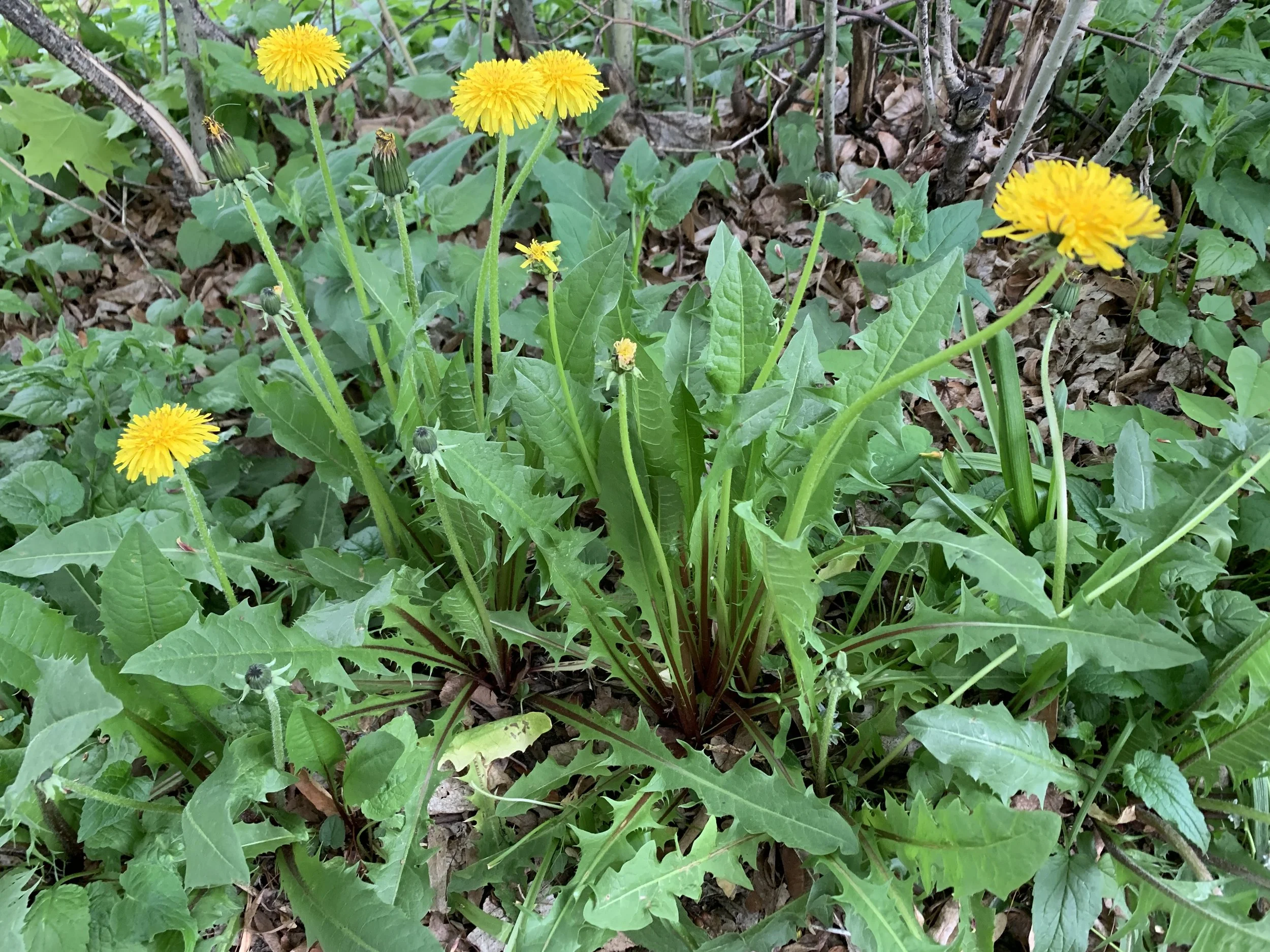
The tap roots of Dandelion can help us ground.
Herbs for Grief:
Rose (Rosa spp.): As the supreme heart opener, Rose offers profound healing for trauma and heartache. Its petals and hips are gently uplifting, while its thorns provide a symbolic boundary to protect the heart during times of great vulnerability. Beyond tea, consider the soft support of rose hydrosol or the aromatic comfort of rose essential oil. You can find my recipe for Layered Rose Elixir here. (A note of caution: ensure your roses are organic and unsprayed.)
Rosemary (Salvia rosmarinus): The herb of remembrance. Rosemary helps us honor our ancestors and our past, while gently reminding us to maintain our own self-care during the fog of loss. Rosemary helps us be present with our grief.
Hawthorn (Crataegus spp.): A long-term guardian for the heart. It stabilizes the physical and emotional heart, keeping it open enough to do the work of grieving without becoming overwhelmed. Like Rose, the thorns protect the tender heart.
Linden (Tilia spp.): Like a warm hug, Linden calms restlessness and improves sleep. Linden calms the heart, making extreme sorrow more tolerable, without stopping the processing of sorrow. The moistening action of the leaves and flowers is especially soothing for those who have cried many tears.
Motherwort (Leonurus cardiaca): This herb "mothers the motherless." It supports the deep connection between the womb and the heart. Its bitter flavor reminds us to honor the truth that life is not always sweet.
Dandelion (Taraxacum officinale): With its deep taproot, Dandelion helps us stay grounded. A plant with amazing resilience, its leaves and flowers are deeply nourishing. It supports the liver and digestion, helping the body physically "digest" the heavy emotions we are processing.
Yarrow (Achillea millefolium): When grief leaves you feeling "cracked open," Yarrow acts as a shield. It helps you maintain healthy boundaries so you can remain porous to the world’s beauty without feeling depleted.
Borage (Borago officinalis): Traditionally used for courage, Borage (the flower or the flower essence) helps us find the bravery needed to navigate times of great upheaval.
Trees: Trees are especially adept at holding us during times of grief. As elders with a deep, profound connection to the Earth, they serve as steady conduits for our own grounding, helping us metabolize and "compost" even the heaviest sorrows. While any tree can offer this silent companionship, you may find yourself naturally drawn to a specific species or even one particular tree in your neighborhood. I encourage you to seek out the ones that call to you—perhaps a native species from your local landscape, a tree in your own yard, or a species your ancestors once held sacred. Throughout history, trees such as Cedar, Hawthorn, Oak, Yew, Olive, Ash, and the Bodhi or Banyan have been revered as powerful healers. Whether it is a towering forest giant or a humble backyard Elder, let these ancient ones help carry what feels too heavy to hold alone.
“Grief does not change you, it reveals you.” — John Green
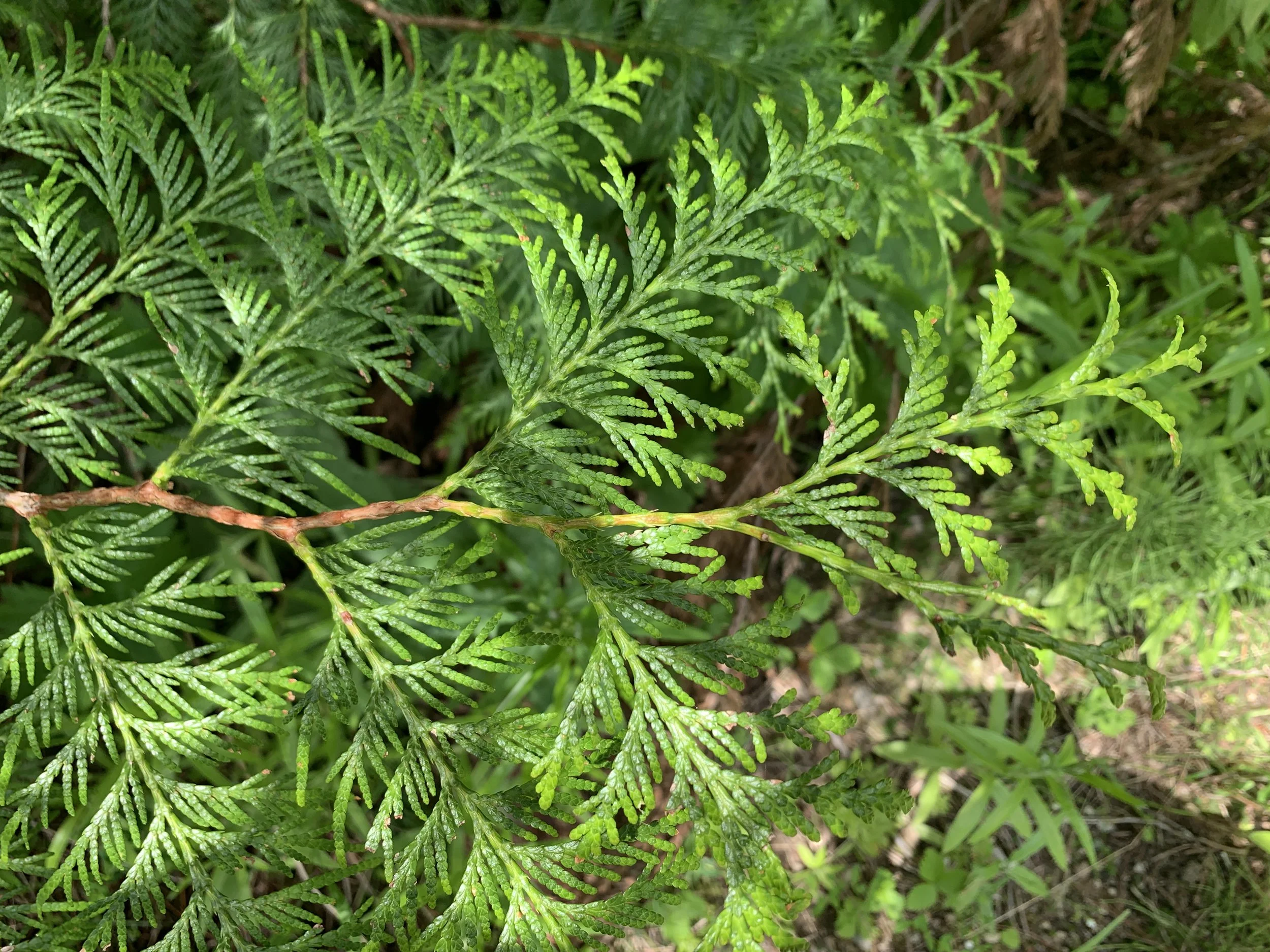
Red Cedar is a revered tree
Rituals and Recipes for the Heart:
Tender-Hearted Tea
2 tbsp Rose petals (Rosa spp.)
2 tbsp Holy Basil (Ocimum tenuiflorum)
1 tbsp Lavender (Lavandula angustifolia)
1 tbsp Lemon Balm (Melissa officinalis)
1 tbsp Hibiscus (Hibiscus sabdariffa)
To Make: Steep 1 tablespoon of the blend in 1 cup of boiling water for 30 minutes. Strain, add honey if desired, and sit in a quiet space to sip slowly.
Heart Tonic Elixir
1 ounce Hawthorn (Crataegus spp.)flower and berry tincture
1 ounce Rose (Rosa spp.) petal tincture
1 ounce Motherwort (Leonurus cardiaca) tincture
3 ounces Linden (Tilia spp.) flower infused honey
To Make: Combine all ingredients in a jar and mix thoroughly. Take 1 teaspoon three times a day to support the physical and emotional heart.
Rose Hibiscus Oxymel
¾ cup dried Rose Petals (Rosa spp.)
½ cup dried Hibiscus (Hibiscus sabdariffa)
¾ cup Honey
¾ cup Apple Cider Vinegar
To Make: Add all ingredients together into a pint-sized glass jar. Mix well and cover with a plastic lid (to avoid corrosion of the metal lid by the vinegar). Let sit for 2 – 4 weeks, strain and bottle, capping with a cork or plastic lid. Take 1 tablespoon 1 – 3 times a day in sparkling water or tea. Toast to your beautiful and tender heart.
Incense Herb Bundle for Sorrow:
1 twig Red Cedar Needles (Thuja plicata or any other cedar you have near you)
6 Lavender flower stalks (Lavandula angustifolia)
1 stem Mugwort (Artemisia vulgaris)
1 sprig Rosemary (Salvia rosmarinus)
To Make: Tightly bind the herbs together with cotton or hemp string. Let sit until dry. Light one end and let the smoke “wash” over your heart and any other part of your body you would choose to honor and support through the grieving process.
Ritual Grief Bath
1 tablespoon Lavender flowers (Lavandula spp.)
1 tablespoon Rose petals (Rosa spp.)
1 tablespoon Calendula flowers (Calendula officinalis)
1 tablespoon Rosemary (Salvia rosmarinus)
1 tablespoon Yarrow (Achillea millefolium)
2 cups Salt or Epsom salt
The Ritual: Dim the lights and play special music that encourages emotional release. Let the warm, salty water—a mirror to your tears—hold you. This is a safe space to cry, sing, or simply rest. Imagine the Earth supporting you from beneath the tub. Consider drinking a cup of Tender-Hearted Tea and writing in your journal after your bath.
Follow Your Dreams Formula
1 part Gotu kola (Centella asiatica)
1 part Rose petals (Rosa spp.)
1 part Motherwort herb (Leonurus cardiaca)
½ part Mugwort herb (Artemisia vulgaris)
½ part Rosemary herb (Salvia rosmarinus)
To Make: This formula can be made into a tea, capsule, or tincture. Use it when journaling, meditating, before bed, before a good conversation or when working on your heart’s desire. Dosage: 1 cup of tea, 2 capsules, or 60 drops of tincture up to 3 x a day.
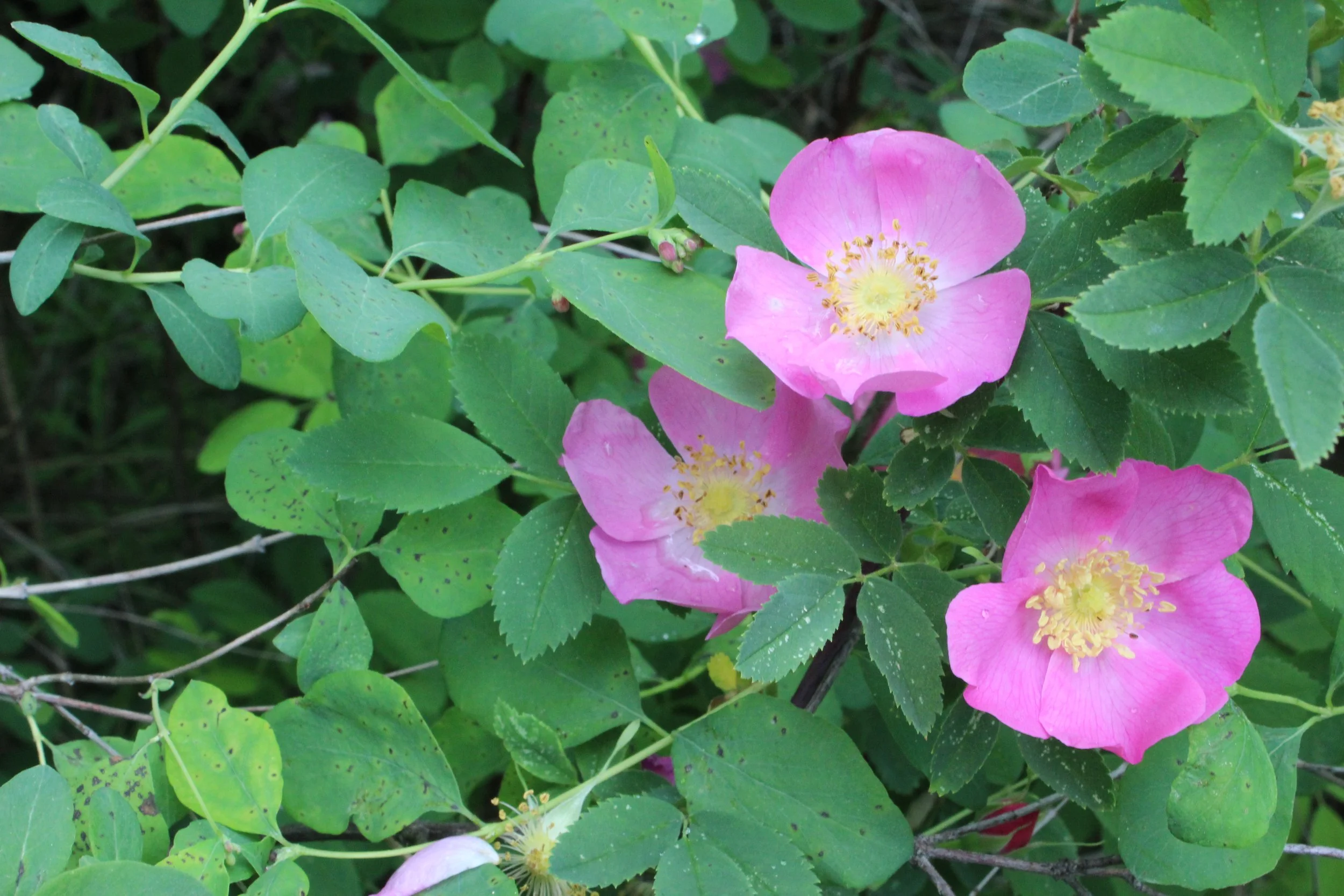
Rose is a supreme heart opener.
Closing Thoughts
Grief is not a mountain to be climbed or a task to be checked off a list; it is a landscape we learn to inhabit. As you navigate these shadows, remember that your tenderness is not a weakness—it is a testament to the depth of your love. May these plants remind you that you are part of a living world that wants to hold you, and may you find the courage to let the Rose protect you, the Linden soothe you, and the Earth catch every tear. You are healing, even when it feels like you are only breaking. Trust the process, trust the plants, and most importantly, trust your own resilient heart.
© Elaine Sheff, Clinical Herbalist, RH (AHG)